



Insights · Investment deep dives
Investment deep divesThe grid takes longer than the power plant
New lines can take five to fifteen years. Generation and data centres are faster. The IEA’s grids chapter is about that mismatch.
February 6, 2026 · Corby Editorial Team · 7 min read
Last reviewed October 20, 2026
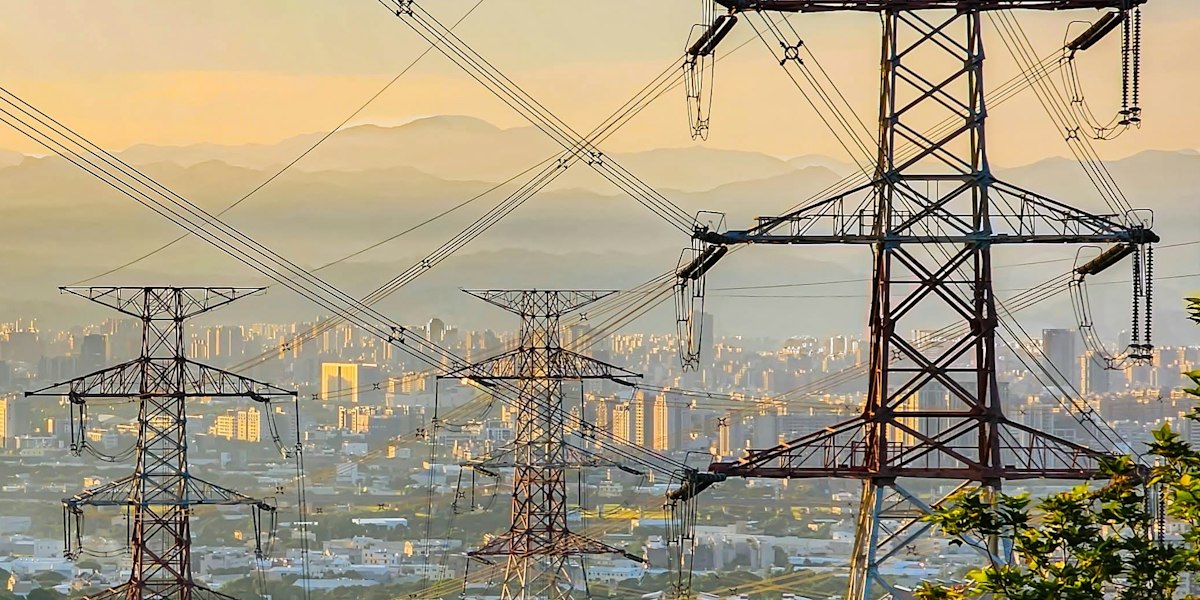
The grids chapter of the IEA’s Electricity 2026 report is blunt about timing. Planning, permitting and building a new line can take 5 to 15 years. Solar and wind projects are often 1 to 5 years. A data centre can be 1 to 3. EV charging is faster still. The network is the slow asset in a system where everything else is trying to connect quickly.
The consequence is already visible. The IEA puts more than 2,500 gigawatts of renewable, large-load and storage projects in connection queues worldwide. Annual investment in grids is about USD 400 billion, and the agency says it needs to rise by roughly half by 2030 if networks are to keep up. Prices for key grid components have nearly doubled in five years.
A queue is not a pipeline you can count
Queue figures move as projects advance, stall or are cancelled. The IEA treats them as indicative. Even so, the order of magnitude is the point: far more generation and load wants a connection than the wires can take. Congestion and curtailment follow. A wind farm that cannot export, or a data centre that cannot connect, is not the asset the spreadsheet assumed.
The chapter also notes a landmark that is easy to miss from a markets desk: the Baltic states synchronised their power system in February 2025. Grid politics is physical. It is not only a multiple on a utility stock.
Using the wires you already have
New lines matter, and they are slow. The IEA argues that a large block of capacity can be unlocked sooner by running today’s grid harder and by changing the rules for who gets a connection. It estimates that grid-enhancing technologies plus regulatory changes could free enough room to connect 1,200 to 1,600 gigawatts of advanced-stage projects. Something like 750 to 900 gigawatts of that could come from non-firm connections, where the user accepts that output or consumption may be limited at certain hours.
The tools are unglamorous: dynamic line ratings, smarter power-flow control, reconductoring, higher voltage on existing routes, storage used as a transmission asset. Several of them can be installed in one to four years, against seven or more for a new high-voltage line. The capacity gains are not a shopping list you can add up. Different tools often relieve the same constraint.
What this means if you finance “infrastructure”
A grid is the definition of a real asset with a long lead time and a regulated return. The mismatch the IEA describes is why a generation project, a battery, or a data centre can look ready while the connection is not. If your exposure is the generator, read the connection agreement. If it is the network owner, read whether the regulator will pay for optimisation as well as for new steel.
Component inflation and a shortage of skilled crews sit under the capex number. A plan that assumes 2020 equipment prices, or a two-year permit, is not the plan the IEA is describing.
Source: IEA, Electricity 2026 — Grids
General information only. Nothing on this page constitutes personalised investment, tax or legal advice.