



Insights · Investment deep dives
Investment deep divesAurubis opens a plant for harder scrap
A €190 million recycling unit in Hamburg is built to treat complex material that few smelters can take. More copper from scrap is a supply story, not a slogan.
July 3, 2026 · Corby Editorial Team · 7 min read
Last reviewed October 20, 2026
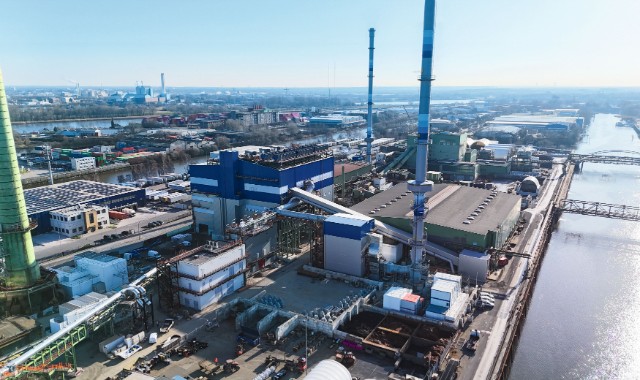
On 3 July 2026 Aurubis inaugurated Complex Recycling Hamburg, a €190 million plant at its Hamburg smelter. The company, one of the largest copper recyclers, says the unit can treat more than 30,000 additional tonnes of recycling material a year, plus larger volumes of complex intermediates from its own smelter network. For the first time at the site, feed that contains copper, lead and sulphur can be handled in one plant.
About a third of the investment went into air-pollution control. The heart of the unit is a converter that runs batches of about 45 tonnes at up to 1,400 degrees. Construction took roughly two and a half years. The project also received European Union funding and is tied to the EU Critical Raw Materials Act.
Why “more recycling” is an engineering claim
Simple scrap already has buyers. The material Aurubis is talking about is the awkward fraction: mixed metals, intermediates, feed that only a handful of plants worldwide will take. If the new unit does what the company describes, more of that material stays inside a European smelter circuit instead of being shipped to whoever will accept it.
That is a capacity story. It is not a promise that Europe will stop importing copper, or that scrap will be cheap. Recovery still depends on the feed, the chemistry and the environmental permit. A plant that can process complexity is valuable because complexity is where supply usually leaks out of the system.
The industrial point, not the ribbon
Aurubis describes the project as one of the larger growth pieces in its “Performance 2030” strategy, and expects a meaningful financial contribution once the plant is fully ramped. Chief operating officer Tim Kurth framed it as a way to process more recycling material in Germany and to keep the smelter network flexible.
Politicians at the inauguration made the supply-security argument: critical raw materials are an economic-policy problem, and processing them in Europe is part of the answer. That is a policy view. The operating fact is narrower. A single converter in Hamburg changes what that site can accept. It does not change the global copper balance on the day it opens.
What a client should not infer
A recycling plant is not a copper ETF, and a press release is not a holding. If a fund or a company presentation uses Hamburg as proof that “the circular economy is investable”, ask for the ramp-up, the extra tonnes, and who is paying for the feed. Aurubis is a listed industrial company with a balance sheet, a metal price and a project risk. The plant is one project on that list.
The useful lesson is about real assets. Adding supply of a strategic metal is slow, local and capital intensive. €190 million and two and a half years of construction, for tens of thousands of tonnes of difficult scrap, is what that sentence looks like in practice.
Source: Aurubis, 3 July 2026
General information only. Nothing on this page constitutes personalised investment, tax or legal advice.